
Understanding the parts of a door and frame is essential when installing, repairing, or choosing a new door system for your home or building. A well-installed door not only enhances security but also adds aesthetic value. Below is an in-depth look at the various components that make up a door and its frame.
Key Components of a Door
- Door Panel: The main part of the door, typically made from wood, metal, fiberglass, or composite materials. This panel could be solid or include decorative elements like glass inserts or panels.
- Rails and Stiles: These are the horizontal (rails) and vertical (stiles) structural members that form the framework of most doors. They provide strength to the door panel.
- Panels: In panel-style doors, these are flat or raised sections enclosed by rails and stiles.
- Glazing: If the door includes glass elements for visibility or light transmission, this is referred to as glazing.
Essential Components of a Door Frame
| Component | Description |
| Jambs | Vertical components on each side of the frame that support the weight of the door. |
| Head Jamb | The horizontal piece at the top of the frame connecting both side jambs. |
| Sill/Threshold | The bottom piece upon which the entire frame rests; often designed for weatherproofing. |
| Stop Molding | Strips attached along jambs to prevent over-swinging or rattling when closed. |
Other Supporting Elements
- Casing/Trim: Decorative molding placed around the edges where walls meet frames for aesthetic purposes.
- Weatherstripping: Materials used along edges to seal gaps against drafts and moisture.
- Door Sweep: A strip installed along the bottom edge to block airflow under doors.
- Hardware Anchors: Screws and brackets securing hinges into place within frames.
Importance of Knowing Door Anatomy
By understanding these key components: – You can better evaluate product quality during selection. – Maintenance becomes easier as you can identify specific parts needing repair. – Installation processes run smoothly with awareness about where each part fits.
Before undertaking any installation work, take time familiarizing yourself with both visible elements like panels as well as hidden features such as stops or weatherproofing systems integrated within frames.
Door Installation Rockville, MD: Hardware Essentials Like Handles, Hinges, and Locksets Explained
Understanding the essential hardware components of a door is crucial for both functionality and aesthetics. The right handles, hinges, and locksets not only enhance the usability of a door but also contribute to its overall security and visual appeal. Below is an in-depth guide to these key elements.
Door Handles: Types and Features
Door handles are one of the most noticeable hardware components on a door. They come in various types based on design and functionality.
- Knobs: Traditional in design, knobs are spherical handles that can be turned to unlatch or secure a door. They are suitable for both interior and exterior doors but may require more grip strength compared to lever handles.
- Levers: Lever-style handles offer practicality with an ergonomic design. They are easier to use for children, elderly individuals, or those with reduced hand mobility.
- Passage Handles: These have no locking mechanism and are ideal for areas where security or privacy isn’t required (e.g., hallways or closets).
- Privacy Handles: Equipped with simple locks, these handles are commonly used in bedrooms or bathrooms.
- Entry Handles: Designed for exterior doors, these typically include keyed mechanisms for added security.
When selecting a handle type, it’s important to consider the intended use of the door as well as the architectural style of your space.
Hinges: Functionality Meets Durability
Hinges serve as pivotal support systems that attach the door to its frame while allowing controlled movement. Choosing the correct type ensures smooth operation and long-lasting performance.
| Hinge Type | Description | Best Suited For |
| Butt Hinges | Traditional two-leaf hinges; durable and strong | Heavy wooden doors |
| Spring Hinges | Automatically close doors after opening | Kitchens or fire-rated entryways |
| Concealed Hinges | Hidden when the door is closed | Sleek modern designs |
| Pivot Hinges | Mounted at the top and bottom instead of sides | Large or heavy commercial doors |
Ensure you consider hinge material (steel, brass, etc.) based on factors like climate (e.g., rust resistance in humid areas) or weight-bearing needs.
Locksets: Security Redefined
- Deadbolt Locks – Known for their high level of security, deadbolts operate with a key from outside and/or thumb-turn from inside.
- Mortise Locks – Installed within a pocket cut into the edge of a door; common in commercial spaces due to their robust build.
- Cylindrical Locks – Straightforward installation; often used alongside deadbolts for enhanced security.
- Electronic Locks – Incorporate keypads or smart technology like fingerprint access or integration with home automation systems.
For added protection on entry points, it may be worth combining different lock types such as pairing deadbolts with electronic locks.
Tips for Choosing Door Hardware
- Match finishes across all hardware components (e.g., brushed nickel or oil-rubbed bronze).
- Test ergonomics before purchasing; comfort is just as critical as durability.
- Prioritize ANSI/BHMA grade-certified locks if security is paramount—Grade 1 offers maximum strength.
Investing time into understanding handles, hinges, and locksets can transform your doors into functional assets that align seamlessly with your lifestyle needs while enhancing safety measures throughout your homespaces.
Door Replacement Rockville, MD: Hardware Essentials Like Handles, Hinges, and Locksets Explained
Selecting the right hardware for your door is crucial for functionality, security, and aesthetics. Understanding the essentials—handles, hinges, and locksets—ensures you make informed decisions when installing or upgrading your doors. Below is a detailed breakdown of these components to guide you.
Handles: Style Meets Functionality
Handles serve both practical and decorative purposes. They are one of the most visible elements of a door and come in various styles to suit different needs and design preferences.
- Knob Handles – Offers a classic look but can be harder to grip for children or those with limited hand mobility.
- Lever Handles – User-friendly, making them ideal for homes with accessibility concerns.
- Pull Handles – Commonly seen on sliding or commercial doors; offers a sleek modern appearance.
- Materials Used:
Handles are made from materials such as stainless steel, brass, chrome, or even wood. While stainless steel provides excellent durability and corrosion resistance, brass offers an elegant touch suitable for traditional designs. - Comfort in use
- Compatibility with locking mechanisms
- Finish that complements your door design
Hinges: The Backbone of Door Operation
Hinges enable doors to open and close smoothly while supporting their weight over time. The type and size of hinges required depend on the door’s material, size, and application.
- Butt Hinges – Found on most residential doors; durable and simple in design.
- Continuous (Piano) Hinges – Ideal for heavy-duty applications where support along the entire length is needed.
- Concealed Hinges – Designed to offer a seamless look by hiding within the frame when the door is closed.
- Stainless Steel: Corrosion-resistant and ideal for exterior doors.
- Brass: Offers an appealing finish but not as robust as stainless steel.
- Aluminum: Lightweight but not recommended for heavy doors.
| Hinge Type | Best Application | Durability Rating (1-5) |
| Butt Hinge | Residential interior | 4 |
| Continuous Hinge | Commercial heavy-duty | 5 |
| Concealed Hinge | Modern minimalist designs | 3 |
Locksets: Ensuring Security
Locksets are critical for securing your home while enhancing ease of access where needed.
- Deadbolts – Provide maximum security by extending a solid metal bolt into the frame.
- Keyed Entry Locks – Typically used as part of knob or lever handles; they combine convenience with basic security features.
- Smart Locks – Advanced systems allowing keyless entry via codes or mobile devices.
- Level of security needed (e.g., deadbolt vs keypad).
- Installation complexity (some smart locks may require professional setup).
- Durability against wear-and-tear (look for ANSI Grade ratings).
Harmonizing Aesthetics and Functionality
1) Match finishes across all pieces for consistency (e.g., brushed nickel handles with similar-finish hinges). 2) Ensure compatibility between handle types & lock mechanisms especially multi-door setups like French entrances.
Proper understanding allows selection optimal solutions balancing strength beauty security effectively
Durable and Reliable Door Frames for Homes in Doors Rockville, MD
Choosing the right material for a door frame is essential for durability, aesthetics, and functionality. Each material has its unique characteristics, strengths, and limitations. Below is a detailed exploration of the most common materials used for door frames to help you make an informed decision.
1. Wood
Wood is one of the most traditional and widely used materials for door frames due to its timeless appeal and versatility.
Advantages: – Aesthetic flexibility: Easily painted or stained to match interior or exterior decor. – Variety: Comes in softwoods (e.g., pine) and hardwoods (e.g., oak, mahogany). – Insulation: Provides natural thermal and sound insulation.
Limitations: – Susceptible to moisture damage such as warping or rotting if not properly sealed. – Requires regular maintenance over time to maintain appearance and durability.
| Type of Wood | Best Use | Key Benefit |
| Pine | Interior doors | Affordable and lightweight |
| Mahogany | Exterior doors | High durability against pests |
| Oak | Both interior/exterior | Long-lasting with a classic look |
2. Steel
Steel door frames are known for their strength, making them an excellent choice for security-focused applications.
Advantages: – High durability: Resistant to impacts, warping, and extreme weather conditions. – Low maintenance: Requires minimal upkeep compared to wood. – Fire resistance: Often meets fire safety standards when paired with fire-rated doors.
Limitations: – Prone to rust if exposed to moisture without proper treatment. – Limited design options compared to wood or fiberglass.
Steel frames are ideal for commercial buildings or environments requiring enhanced security.
3. Aluminum
Aluminum is a lightweight yet durable option often found in modern-style homes or commercial projects.
Advantages: – Corrosion-resistant when treated with anodizing or powder-coating finishes. – Sleek appearance that complements contemporary designs. – Low maintenance with long-term reliability.
Limitations: – Not as strong as steel; may dent under heavy impact. – Less insulating unless paired with thermal breaks or other insulating treatments.
Aluminum frames are often chosen for sliding glass doors, storefronts, or minimalist architectural styles.
4. Fiberglass
Fiberglass door frames offer a balance of strength, insulation, and design flexibility.
Advantages: – Weatherproof: Resists moisture damage better than wood. – Energy-efficient due to excellent insulation properties. – Available in finishes that mimic the appearance of wood without its drawbacks.
Limitations: – Higher cost compared to some materials like aluminum or basic woods. – May not be as widely available in custom designs as other materials.
Fiberglass works well in areas with extreme temperature fluctuations since it doesn’t expand or contract significantly under changing conditions.
5. uPVC (Unplasticized Polyvinyl Chloride)
uPVC is increasingly popular in residential applications due to its affordability and low-maintenance qualities.
Advantages: – Highly weather-resistant; will not rot, warp, peel, or corrode over time. – Cost-effective option compared to wood or aluminum. – Good insulating properties for energy efficiency.
Limitations: – Less eco-friendly than natural materials like wood since it’s derived from plastic. – Can discolor over time when exposed directly to sunlight unless UV-stabilized coatings are used.
uPVC frames are often selected for windows but work equally well in external door applications where budget constraints exist without sacrificing utility.
Choosing the Right Material
The selection of material depends on various factors: 1. Budget: Hardwood like mahogany may be costly but lasts longer than softwood options like pine. Similarly, fiberglass may require higher upfront costs but offers superior longevity and efficiency benefits over time. 2. Climate: Moisture-prone regions benefit from corrosion-resistant options like aluminum or fiberglass rather than untreated wood which can warp easily in such environments. 3. Aesthetic Preferences: Materials like wood provide unmatched warmth while aluminum offers sleek minimalism suitable only within modern spaces where such looks align appropriately toward household goals/designs etc .
By understanding these aspects alongside specific requirements either functional stylistic practical-solve complex architectural challenges effectively ensuring satisfaction overall usage longevity economics balanced across needs priorities .
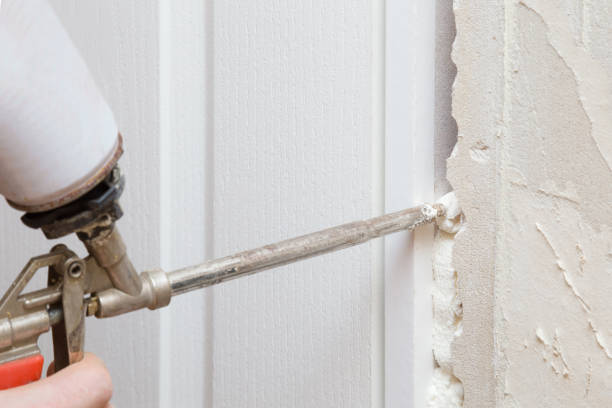
Step-by-Step Guide to Installing a New Door for Your Home
Installing a new door can enhance the aesthetics, security, and energy efficiency of your home. Whether you’re replacing an old door or installing one for the first time, following a structured approach will ensure a professional result. Here’s a guide to help you through the process.
Tools and Materials You Will Need
Tools: – Measuring tape
– Level
– Screwdriver or power drill
– Hammer
– Pry bar
– Saw (if adjustments are needed)
Materials: – Pre-hung door or slab door (depending on your project)
– Shims
– Screws and nails
– Insulation or caulk
– Wood filler (optional for touch-ups)
Preparing for Installation
- Measure the Door Opening: Begin by accurately measuring the door frame’s width, height, and depth. This ensures you choose a door that fits snugly without gaps.
- Inspect the Door Frame: Check that the frame is square and level. If it’s warped or damaged, make necessary repairs before installing the new door.
- Remove Existing Door (if applicable): Use a hammer and pry bar to remove trim, hinges, and any hardware from the old door.
Installing a Pre-Hung Door
A pre-hung door includes both the slab (door itself) and frame, making it easier to install.
- Position the Door Frame: Place the pre-hung unit into the opening. Ensure it is centered with equal spacing around all sides.
- Level and Plumb: Use shims to adjust both sides of the frame until it’s perfectly level and plumb (vertically straight).
- Secure Hinges: Once positioned correctly, secure hinges on one side using screws but avoid over-tightening initially.
- Fasten Frame to Wall: Drive screws through pre-drilled holes in the frame into wall studs while maintaining alignment with shims.
- Check Fitment: Open and close the door multiple times to confirm smooth operation without sticking or binding.
Adjusting a Slab Door Installation
- Align hinge mortises on both replacement slab & existing jambs during placement preparations.Wrap
Exploring the Expertise of a Door Company in Rockville, MD for Quality Installations
The threshold is a seemingly small but vital component of door installation that plays a significant role in the functionality, durability, and efficiency of a door system. Often overlooked, thresholds contribute to security, energy efficiency, and accessibility. This section provides an in-depth understanding of thresholds and why they are indispensable for successful door installations.
What is a Threshold?
A threshold is the bottom part of a door frame that runs horizontally across the floor beneath the door itself. It acts as a transition between different flooring materials or spaces while also serving practical purposes such as sealing and protecting the entryway.
Functions of Thresholds
- Seal Against Elements: They prevent drafts, water intrusion, dirt, and debris from entering the home by creating an airtight seal.
- Enhance Energy Efficiency: By minimizing gaps under doors, thresholds reduce heat loss during colder months and help maintain indoor temperatures during summer.
- Improve Accessibility: Certain thresholds are designed to meet Americans with Disabilities Act (ADA) accessibility standards by providing low-profile or ramped options for smooth transitions.
- Structural Support: They reinforce the integrity of the door frame by bearing some weight and connecting both sides of the frame.
Types of Door Thresholds
| Type | Description | Ideal Use Cases |
| Standard Threshold | A basic design commonly found in residential applications. | Homes with simple entryways. |
| Adjustable Threshold | Allows height adjustment to accommodate variations in flooring or settle over time. | Homes prone to floor movement. |
| Thermal Break Threshold | Features insulation to prevent heat transfer through metal components. | Energy-efficient homes/climates. |
| Saddle Threshold | Raised center design for improved weather resistance or access control. | Exterior doors exposed to rain. |
| ADA-Compliant Threshold | Low-profile or beveled transitions designed for wheelchair accessibility. | Commercial buildings or ramps. |
Choosing the Right Material
- Aluminum: Lightweight yet strong; resistant to corrosion but may conduct heat.
- Wood: Offers aesthetic appeal but requires sealing against moisture.
- Vinyl/Composite: Affordable and weather-resistant but less durable than metal options.
- Brass/Bronze: Premium metals offering excellent corrosion resistance and style.
Installation Best Practices
- Measure Accurately: Measure both width and height from side jambs to determine proper fit.
- Sealant Application: Apply waterproof adhesive or caulk underneath before securing to block water ingress.
- Secure Fasteners Correctly: Attach using screws at pre-drilled holes without over-tightening to avoid distortion.
- Test Fit with Door Sweep/Gasket: Ensure compatibility between threshold height and any installed seals on your door bottom.
Maintenance Tips for Longevity
- Inspect regularly for gaps caused by wear or shifting floors.
- Clean debris buildup along edges using mild soap solutions.
- Reapply sealant if necessary after prolonged exposure to harsh weather.
By understanding their critical role in preventing energy loss, enhancing security, improving accessibility, and adding durability against elements like rainwater intrusion—thresholds prove themselves as essential components within every successful door installation project.
- Comprehensive Guide to Door Replacement Rockville, MD: Fixing Cracked or Damaged Doors
- Essential Tools and Materials for a Smooth Door Replacement in Rockville, MD
- Step-by-Step Guide to Installing Doors in Rockville, MD for Beginners
- Beginner’s Guide to Door Installation Rockville, MD: Can You Replace a Door Frame Yourself?
- Comprehensive Guide to Door Repair Rockville, MD: Understanding Door and Frame Anatomy
- Exterior Door Installation Rockville, MD: The Ultimate Guide to a Seamless Process
- Important Tips for Door Repair Rockville, MD: Measuring for a New Door Handle
- Step-by-Step Guide to Door Repair Rockville, MD: How to Properly Install an Exterior Door