
Replacing a door frame may sound like a challenging task, but with the right approach and tools, it can be completed efficiently. Whether you’re upgrading an old frame or dealing with damage caused by wear and tear, following these steps will help you achieve a seamless installation.
Step 1: Assess the Condition of the Existing Door Frame
Before starting, inspect the current door frame carefully. Look for:
– Cracks or rot in wooden frames
– Warping or bending of the material
– Loose screws or nails that compromise structural integrity
If the frame is damaged beyond repair, removal and replacement are necessary.
Step 2: Gather Necessary Tools and Materials
Tools:
– Hammer
– Screwdriver (manual or power drill)
– Level tool for alignment
– Measuring tape
– Pry bar
– Saw (hand saw or circular saw)
Materials:
– Replacement door frame kit (pre-cut if possible)
– Screws and nails appropriate for your wall type (e.g., wood, drywall)
– Wood filler or caulk for sealing gaps
– Shims to ensure proper alignment
Ensure safety gear like gloves and protective eyewear are also on hand.
Step 3: Remove the Old Door Frame
- Detach the Door: Unscrew and remove the hinges to take off the door panel. Set it aside.
- Take Out Trim Pieces: Use a pry bar to carefully remove casing trim around the door without damaging surrounding walls. Set trim pieces aside for reuse if they’re still in good condition.
- Loosen Screws/Nails: Detach screws securing parts of the old frame to studs in your wall. If nails were used instead, cut them with a reciprocating saw where accessible.
- Extract Frame Sections: Carefully pull out side jambs (vertical pieces), head jamb (horizontal top piece), and sill if present.
Step 4: Prepare Wall Opening for New Frame
After removing the old frame, clean up debris from the opening. Check that it’s square and level using a measuring tape and level tool. This step ensures your new door aligns correctly when installed.
Key Preparations Include:
| Task | Why It’s Important |
|———————–|——————————————————-|
| Remove leftover nails/screws | Prevents interference with new installation | | Sand rough edges | Creates smooth surfaces for better fit | | Measure dimensions | Ensures replacement frame matches opening size |
Step 5: Install New Door Frame
- Set Side Jambs in Place: Align vertical jambs on each side of wall opening using shims as needed to maintain level placement.
- Attach Head Jamb: Secure top piece horizontally across jamb sides while double-checking alignment.
- Fasten Frame to Studs: Insert screws or nails into pre-drilled holes where required—ensure tight connection without over-tightening.
- Check Fitment Regularly: Use level tools frequently during this process so no part is out-of-square due misalignment!
Step 6 : Finish Details
Repeat
Expert Tips from a Door Company in Rockville, MD on Replacing an Internal Door Frame
Replacing an internal door frame may seem like a challenging task, but with the right approach and tools, it can be done efficiently. This guide outlines the necessary steps and considerations to ensure a seamless replacement process.
Tools and Materials You’ll Need
- Hammer
- Pry bar
- Tape measure
- Level
- Screwdriver (manual or powered)
- Saw (hand saw or circular saw)
- Drill with bits
- Chisel
- Replacement door frame kit or individual timber pieces
- Wood screws or nails
- Shims (wooden or plastic wedges)
- Wood glue (if needed)
- Sandpaper or sanding block
- Paint, stain, or finish (optional)
Having these items on hand will save time during installation.
Steps to Replace an Internal Door Frame
- Start by removing the door from its hinges. Use a screwdriver to loosen the hinge screws and carefully lift the door away.
- Use a pry bar or hammer to remove the old frame, including any trim, casings, nails, and screws.
- Be cautious not to damage surrounding walls during this process.
- Inspect the wall opening for damages such as cracks or uneven surfaces. Repair these areas before proceeding.
- Measure the dimensions of the opening—height, width, and depth—to ensure your new frame fits accurately.
- If you’re working with raw timber rather than a pre-cut kit, cut your materials according to your measurements.
- Sand down any rough edges for a smooth finish.
- Place each piece of your new door frame into position in the opening.
- Use shims around all sides of the frame to ensure it’s level and plumb before securing it in place. | Position | Checking Technique | |———————-|——————————–| | Vertical Alignment | Use a level on each side | | Horizontal Alignment | Check along top crosspiece |
- Once aligned properly: a) Securely fasten each piece using screws or nails at regular intervals. b) Trim excess shim material protruding from under edges.
- Attach Trim & Finishing Touches
After ensuring everything functions properly: finish attaching trims edging sand gaps
How to Handle Door Repair Rockville, MD: Replacing an Internal Door Frame
Replacing an internal door frame is a task that requires precision and preparation. Whether your current frame is damaged, warped, or outdated, this guide will walk you through the process step by step to achieve a professional finish. With proper tools, careful measurements, and attention to detail, you can successfully replace the door frame and enhance the overall functionality and appearance of your interior space.
Tools and Materials You’ll Need
Tools: – Measuring tape
– Hammer or mallet
– Level
– Screwdriver or drill
– Utility knife
– Pry bar
– Wood chisel
– Saw (hand saw or circular saw)
Materials: – New door frame (pre-cut or custom-sized)
– Shims
– Wood screws or nails
– Wood filler (if needed)
– Sandpaper or sanding block
– Paint or stain (optional)
Step-by-Step Instructions
Follow these steps for a seamless internal door frame replacement.
- Measure Your Existing Door Frame
Accurate measurements are crucial for selecting the right-sized replacement frame. Use a measuring tape to record: - Width of the opening (at three points: top, middle, bottom).
- Height of the opening from floor to header.
- Depth of the wall (to match your new frame).
- Remove the Existing Door Frame
Start by taking down the door from its hinges. Then use a utility knife to cut along any caulking or paint sealing the old frame to the wall. Use a pry bar carefully to remove trim pieces and old fasteners without damaging surrounding drywall. - Inspect and Prepare the Opening
Once you’ve removed all components of the old frame, inspect the rough opening for signs of damage such as rot or uneven surfaces. Replace any damaged wood parts and clean up debris for a stable foundation before installing your new frame. - Begin with securing one side jamb in place using shims for leveling. Ensure it’s vertical using a level tool.
- Attach it temporarily using screws but keep adjustments possible until alignment confirmed overall step completion next.j
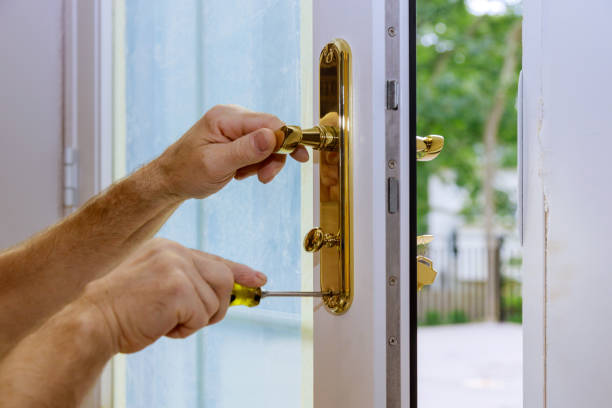
Step by Step Instructions for Installing External Door Frames
Installing an external door frame requires precision and careful attention to detail to ensure a secure fit and optimal performance. By following these step-by-step instructions, you can complete the job efficiently and effectively.
Tools and Materials You’ll Need
Tools:
- Hammer
- Level
- Tape measure
- Power drill with appropriate drill bits
- Screwdriver set
- Saw (circular saw or hand saw)
- Pry bar
- Caulking gun
Materials:
- New external door frame unit
- Screws or nails (specify as per manufacturer’s recommendation)
- Shims
- Weather-resistant caulk or foam insulation
- Exterior-grade paint or stain (if applicable)
Steps to Install an External Door Frame
- Start by removing the existing door from its hinges. Use a screwdriver or drill to unscrew the hinge pins, then carefully lift the door out of place. Set it aside.
- Using a pry bar, remove the old trim around the door opening without damaging surrounding walls.
- Detach and remove any nails, screws, or fasteners securing the old frame in place.
- Remove any remaining debris from the rough opening.
- Measure the dimensions of the rough opening to ensure it matches the size of your new door frame. If adjustments are needed, use a saw to widen or modify it.
- Clean out any dust or debris inside the opening.
- Check that the rough opening is level and square by using a level tool. Uneven surfaces can lead to improper installation.
- Place your new external door frame into the rough opening carefully, ensuring it is centered within the space.
- Insert shims at various points around all sides of the frame to align it properly and maintain plumb positioning.
- Double-check alignment using your level; make adjustments as needed.
- Once aligned perfectly, use screws or nails (preferably corrosion-resistant for outdoor use) to secure each side of your frame into place through pre-drilled holes.
- Be sure not to overtighten fasteners as this could cause warping.
- Fill any gaps between your newly installed frame and wall using weather-resistant caulking or foam insulation for effective thermal sealing.
- Smooth out caulk lines with your finger or a caulk-smoothing tool for an even finish.
- Attach exterior-grade trim around your newly installed door frame for added durability as well as aesthetic appeal.
- Secure with nails/screws appropriately spaced apart for long-term stability.
- Paint/Stain The Frame (Optional)
If necessary based on material types like untreated wood: Apply primer first followed by exterior-safe paint/stain products ensuring protective coatings longer exposure vs environments! Dry appropriately btwn coats
Answers to Frequently Asked Questions About Replacing a Door Frame
Replacing a door frame is a common task in home improvement projects, but it can raise many questions for those new to the process. Here are answers to some frequently asked questions that will help guide you through replacing a door frame effectively.
1. What Are the Signs That My Door Frame Needs Replacement?
- Warping or Cracking: Over time, wood can warp or crack due to moisture damage or structural stress.
- Rot or Mold: If the frame has been exposed to water or humidity, rot and mold can develop, weakening the structure.
- Difficulty Closing/Openings: Misalignment caused by shifting foundations can prevent doors from opening and closing smoothly.
- Visible Damage from Pests: Termite infestations often result in visible damage that compromises the doorframe’s integrity.
2. What Tools Will I Need for Replacing a Door Frame?
- Hammer and pry bar
- Screwdriver or power drill
- Measuring tape
- Carpenter’s square for accurate angles
- Level to ensure alignment
- Saw (hand saw or reciprocating saw) for cutting old frames
Optional but helpful tools include shims for leveling and wood filler for minor repairs.
3. Can I Replace a Door Frame Without Replacing the Door?
- Measure your existing door carefully.
- Purchase a pre-hung kit or custom-cut frame that aligns with those measurements.
- Consider any aesthetic factors like paint color and hardware compatibility.
4. How Long Does It Take To Replace a Door Frame?
| Experience Level | Estimated Time Needed |
| Beginner | 4–6 hours |
| Intermediate | 2–4 hours |
| Professional | 1–2 hours |
Unforeseen issues like misalignments or hidden rot may increase the duration of your project.
5. Do I Need Permits To Replace My Door Frame?
In most cases, replacing an interior or exterior door frame doesn’t require permits since it’s considered minor work. However, if you’re making structural changes (widening an opening, installing new headers), check local building codes as permits might be necessary.
6. Should I Use Wood or Metal Frames?
Wood Frames: – Aesthetic appeal with natural charm – Easier to customize – Prone to rot if not properly maintained
Metal Frames: – Higher durability and strength – Resistant to pests and moisture – Often used in commercial applications
Final Tips for Success
To ensure your replacement project runs smoothly: 1. Always double-check measurements before cutting materials. 2. Use shims during installation for proper leveling. 3. Inspect surrounding areas (e.g., walls) for hidden damages before attaching the new frame.
Addressing these frequently asked questions will help you approach replacing your door frame with greater confidence and efficiency while avoiding common pitfalls associated with such tasks.
Answers to Frequently Asked Questions About Replacing a Door Frame
Replacing a door frame can seem like a daunting task, but with the right information and preparation, it becomes much more manageable. Below are answers to some of the most commonly asked questions about replacing door frames. This guide is intended to help you better understand the process, materials, and considerations involved.
1. How Do I Know if My Door Frame Needs Replacing?
- Visible damage: Cracks, warping, or rotting wood.
- Structural issues: The frame no longer aligns properly with the door.
- Drafts or leaks: Air or water entering through gaps around the frame.
- Repeated repairs: If you’ve had to fix your frame multiple times, replacement may be more cost-effective.
2. What Types of Tools Are Needed for Replacing a Door Frame?
- Measuring tape
- Level
- Pry bar
- Hammer
- Screwdriver or power drill
- Handsaw or reciprocating saw (if modifications are needed)
- Wood shims
Additional materials such as wood filler, caulk, and primer may also be necessary depending on the project.
3. Can I Replace Just Part of the Frame Instead of the Entire Thing?
| Damage Type | Solution |
| Small cracks | Use wood filler and sand down any rough edges. |
| Minor rot | Cut out affected areas and replace with new wood. |
| Loose joints | Reinforce with screws or nails for added stability. |
However, if damage is extensive—such as widespread rot or warping—it’s often better to replace the entire frame.
4. What Type of Material Should I Choose for My New Door Frame?
- Wood: A classic choice for both interior and exterior applications; versatile but prone to rot without proper sealing.
- Metal: Durable and weather-resistant; often used for commercial projects or modern aesthetics.
- Composite: Combines durability with low maintenance requirements; resistant to moisture and pests.
Consider factors like location (interior vs exterior), budget, and design preferences when selecting your material.
5. How Long Does It Take to Replace a Door Frame?
- For beginners: Around 4–6 hours if following step-by-step instructions carefully.
- For experienced DIYers: Approximately 2–4 hours.
- Hiring professionals: The job can typically be completed in under two hours.
Keep in mind that unforeseen complications like uneven walls or unexpected structural issues could extend these timelines.
6. Do I Need Professional Help for This Project?
DIY Replacement Is Possible If:
– You have basic carpentry skills.
– The damage is limited to one section of the frame.
– You’re working with standard-sized doors.
Hire Professionals If:
– You’re dealing with structural damage beyond cosmetic wear-and-tear.
– Custom fitting is required due to unusual dimensions.
– Electrical wires or plumbing run through adjacent walls that could be disturbed during installation.
Replacing a door frame requires careful planning but can dramatically improve both functionality and aesthetics in your space when done correctly. By understanding these FAQs, you’ll be better prepared to tackle this home improvement project confidently.
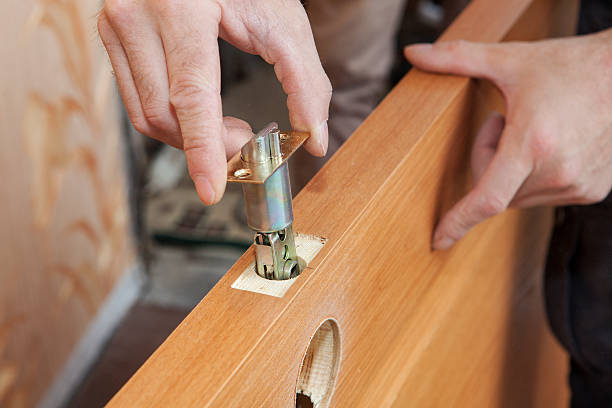
Step-by-Step Guide to Replacing Door Frames for a Seamless Installation in Doors Rockville, MD
Replacing a door frame may seem like an intimidating task, but with the right tools, preparation, and understanding of the process, it can be manageable for beginners. This guide will walk you through the essential considerations and steps to ensure a successful door frame replacement.
Assessing the Scope of the Project
- Condition of the Current Frame: Is it damaged from moisture, rotting wood, or long-term wear and tear?
- Type of Frame: Internal door frames are generally simpler to replace than external ones due to weatherproofing requirements.
- Tools and Materials: Do you have access to basic carpentry tools such as a saw, level, measuring tape, chisel, drill, and screws?
- Time Commitment: Replacing a door frame can take anywhere from 2–5 hours depending on experience and complexity.
Tools You’ll Need
| Tools | Purpose |
| Measuring tape | Ensuring accurate measurements |
| Pry bar or crowbar | Removing the old frame |
| Level | Verifying alignment during installation |
| Hammer or mallet | Securing nails or knocking components |
| Circular saw or hand saw | Cutting new frame pieces to size |
| Chisel | Fitting hinges into place |
| Drill with bits | Pre-drilling holes for screws |
Additionally, you’ll need materials such as wood for the new frame (if not pre-purchased), nails or screws, shims for alignment adjustments, and caulk for sealing if it’s an external frame.
Steps to Replace a Door Frame Yourself
- Start by taking out the existing door by unscrewing its hinges.
- Use a pry bar to carefully remove trim around the old frame.
- Detach any nails or screws securing the current frame in place.
- Measure both the rough opening (the gap in your wall) and your replacement door.
- Ensure that your new materials match these dimensions with minimal gaps.
- Cut vertical jambs (side pieces) and horizontal head jamb (top piece) according to measurements.
- Position each piece in place using shims as necessary to ensure they are plumb (vertically straight).
- Attach each piece using nails or screws at regular intervals.
- Check alignment frequently using a level.
- Mark hinge locations on both jambs and doors before chiseling out spaces for them.
- Screw hinges securely into place before reattaching your door.
- Add trim around edges for aesthetic appeal.
- If working on an exterior doorframe, seal all gaps with weather-resistant caulk.
Challenges You Might Encounter
- Uneven wall surfaces requiring more shimming.
- Difficulty removing old nails embedded in studs.
- Adjusting hinge placement if misaligned during installation.
When to Hire Professional Help
If you’re working on an exterior doorframe that requires precise weatherproofing or dealing with structural damage beyond just replacing wood components, it might be wise to consult a professional carpenter or contractor. Similarly, projects involving heavy doors like solid core designs may benefit from expert handling due to their weight.
By understanding these challenges ahead of time and approaching each step methodically, even first-time DIYers can confidently replace their own door frames with satisfying results.
How to Handle Door Replacement Rockville, MD: A Beginner’s Guide
Replacing a door frame might seem like a daunting task, especially for beginners, but with the right tools, knowledge, and approach, it’s possible to tackle this project on your own. While professional assistance is always an option, doing it yourself can save money and give you the satisfaction of completing a home improvement task. Below is a comprehensive guide to help you decide if this project is for you and how to approach it effectively.
Assessing Your Skill Level
Before diving into this project, ask yourself the following:
– Have you ever worked on other home improvement projects?
– Are you comfortable using power tools like drills or saws?
– Do you have patience and attention to detail for measurements and alignment?
If the answers are mostly “yes,” replacing a door frame might be manageable for you. If you’re unsure about certain aspects, consider practicing with smaller woodworking projects before committing.
Tools You Will Need
Basic Tools:
- Measuring tape
- Hammer or rubber mallet
- Screwdrivers (flathead and Phillips)
Power Tools (optional but helpful):
- Power drill
- Circular saw or reciprocating saw
Additional Materials:
- Nails or screws appropriate for your frame material
- Wood glue or caulk
- Shims
- Sandpaper
Having these items ready before starting can save time and hassle during installation.
Steps to Replace a Door Frame Yourself
- Start by removing the door from its hinges. Use a hammer and screwdriver to carefully detach hinge pins.
- Remove any trim or casing around the existing frame using a pry bar.
- Unscrew or cut through nails securing the old frame in place.
- Check the condition of the rough opening where the new frame will sit. Make sure it’s clear of debris and free from significant damage.
- If necessary, repair any damage such as rotting wood or uneven surfaces before proceeding.
- Measure both the width and height of your rough opening.
- Double-check that your replacement frame matches these dimensions.
- Place shims in key areas within the rough opening to ensure proper alignment.
- Position your new door frame carefully into place.
- Secure with nails or screws while checking for alignment after each step.
- Reinstall any trim pieces removed earlier or add new ones that match your aesthetic preference.
- Sand down edges where necessary before painting or staining for a polished finish.
When Should You Seek Professional Help?
| Scenario | Why Seek Professional Assistance? |
| Significant structural damage | May involve complex repairs beyond basic skills |
| Non-standard size frames | Custom fitting may require advanced carpentry |
| Lack of specialized tools | Could slow progress significantly |
If you’re unsure about handling specific challenges during replacement, don’t hesitate to consult an expert. It’s better to ensure quality than risk errors that could lead to more expenses down the line.
By evaluating your skills honestly and working methodically through each step with proper tools in hand, replacing a door frame yourself becomes an achievable DIY project tailored even for beginners looking to enhance their home improvement skills.
- Comprehensive Guide to Door Replacement Rockville, MD: Fixing Cracked or Damaged Doors
- Essential Tools and Materials for a Smooth Door Replacement in Rockville, MD
- Step-by-Step Guide to Installing Doors in Rockville, MD for Beginners
- Beginner’s Guide to Door Installation Rockville, MD: Can You Replace a Door Frame Yourself?
- Comprehensive Guide to Door Repair Rockville, MD: Understanding Door and Frame Anatomy
- Exterior Door Installation Rockville, MD: The Ultimate Guide to a Seamless Process
- Important Tips for Door Repair Rockville, MD: Measuring for a New Door Handle
- Step-by-Step Guide to Door Repair Rockville, MD: How to Properly Install an Exterior Door